John 8:26 • Spirit-Led Restraint

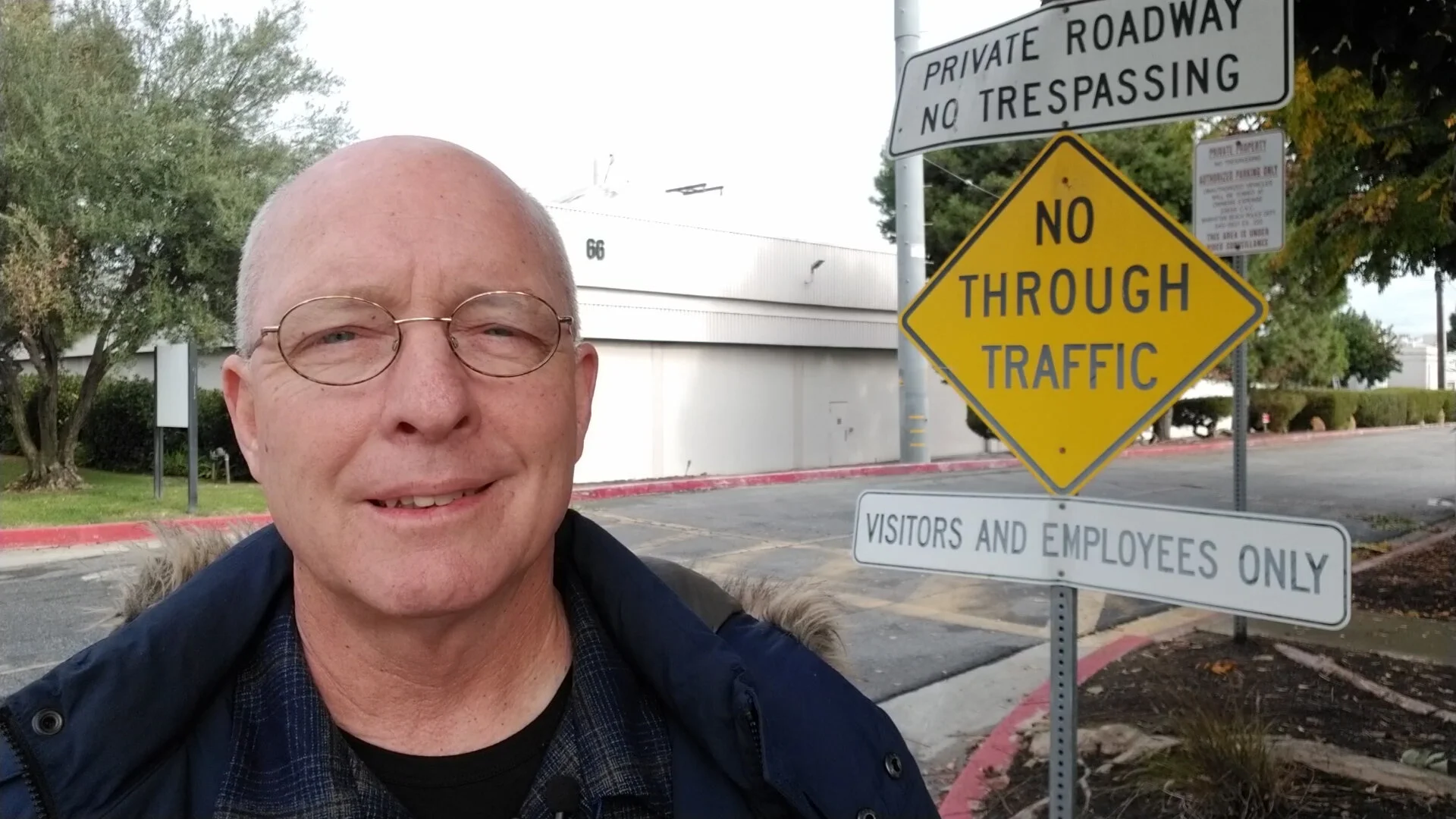
In John 8:26, Jesus followed up his response to the question posed by the religious elite in the previous verse about his identity. After making it clear he’d already said all that was necessary about himself, he commented that there was much more he could say about them. But he refrained from doing so and told them why. He said he would only speak what he heard his Father saying. He would go no further than the boundaries set by the one who sent him.

I wish I could say the same. More than once, I’ve found myself on the wrong side of a divinely-set boundary where I’ve said more than God was saying or done more than he was doing. And every time I’ve trespassed beyond those thresholds, I’ve regretted it.

It’s like the time when I was a kid visiting a friend who lived on a large ranch out in the country. One day, he and I were shooting targets with small caliber rifles. Later that evening, my friend’s father was confronted by a group of angry men who showed up at the house. And we learned that our target practice had nearly cost them their lives. Unknown to us, they’d been pinned down by our fire after they’d crossed a posted boundary and trespassed onto the ranch. Their failure to recognize and respect that boundary created problems they couldn’t anticipate.

And that’s what happens when I fail to exercise Spirit-led restraint in my life. Whenever I choose to step anywhere but within my Lord’s footprints, I end up somewhere I shouldn’t be.

When I succumb to the temptation to believe that a situation is dependent on what I have to offer – my timing, my creativity, my words, my skill, my wisdom, or my passion – rather than trusting that God knows how to handle things, I’m in danger of crossing a line and creating unintended consequences.

If a musician in an orchestra plays notes the composer hasn’t written, the resulting sound is either inappropriately cluttered or distastefully discordant. I want to be careful to play only the music God is conducting. And I’ll bet you do too. So, let’s stop, take an honest look at ourselves, and make sure we aren’t improvising beyond the arrangement.

Let’s make fresh commitments today to follow our Savior’s example and be careful not to venture beyond the Father’s directions regarding what we say, to whom, and when as well as the actions we should or shouldn’t take in all the affairs of our lives.
John 8:25 • Prayer and Pitching

Jesus had just warned the religious elite with hard truth about the spiritual dead end they were approaching because of their unwillingness to believe in him. Their response, recorded in John 8:25, came in the form of a question. “Who are you?” they asked. The Lord answered by referring them to the transcript of everything he’d been saying since he began his ministry. He’d already declared himself to be the bread of life, the light of the world, the Messiah, the Son of God. There really was nothing more to add.

This wasn’t the first time this question had been asked and answered. The problem wasn’t that they hadn’t heard, they just didn’t like what they heard.

And that reminds me of baseball. Don’t worry, I’m not losing my mind. Just let me explain.

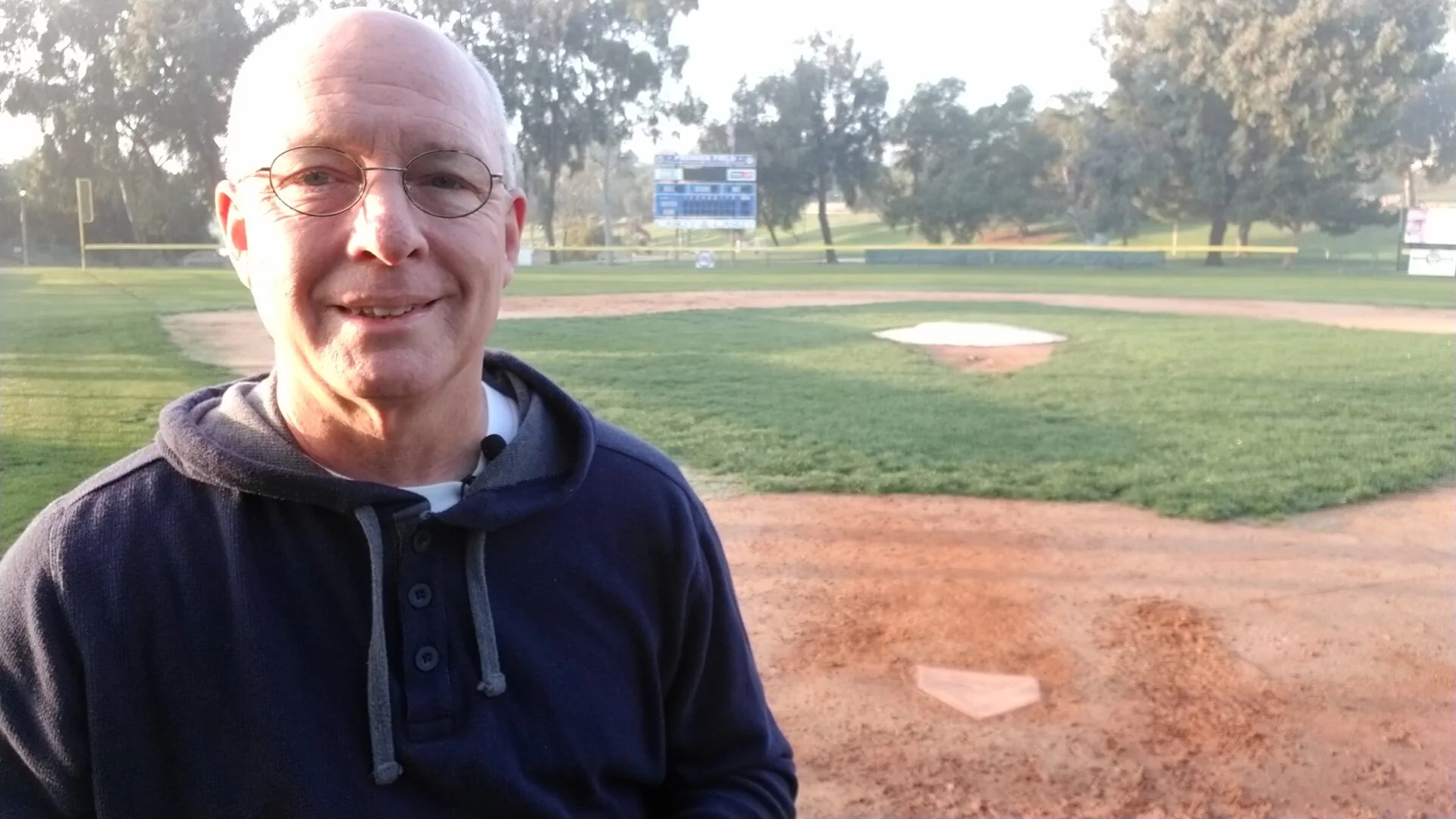
I love baseball because it involves so much drama. Like pitch selection for example. With the batter standing in, the pitcher stares from the mound down the 60 feet to home plate and looks for a sign from the catcher indicating which pitch he should throw – fastball, sinker, slider, curveball, changeup, or cutter. But if he doesn’t like the signal, he’ll shake his head no and wait for another sign. This back-and-forth will continue until the pitcher gets the sign he wants. In a sense, he keeps asking the question until he gets the answer he’s looking for.

And I’ve caught myself doing that with God. Here’s an example:

Early in my adulthood I was asking God if I should leave Bible college to pursue music ministry full time, but he seemed silent on the subject. So, I decided to drop out of school, quit my job, and rehearse with my band anyway. And although I did spend a few years performing, touring, and recording, it just never seemed like God’s full blessing was on it.

The reality wasn’t that God hadn’t answered my prayer, I just didn’t like the answer he was giving. I didn’t hear him saying, “No,” because I was listening for a, “Yes.”

The rest of the story is too long and complex to tell now, but ultimately, I had to abandon that dream. But when I did, I discovered my calling. I went on to complete my Bible training and become a pastor. And I’m so thankful for the patient kindness of God that made it possible for me to spend my life doing what I was made for instead of what I desired.

Are you desperate to hear from God today about something but he seems silent? Perhaps the issue is more about whether you’re willing to hear what he’s saying. Maybe now would be a good time to settle in for a few quiet moments of prayer that surrender your agenda for his. If you do, you’ll discover the fulfillment that results when you throw the pitch he’s signaling rather than insisting on the one you desire.

John 8:21-24 • Two Worlds

Jesus invaded the world beneath from the world above in order to provide – by means of faith in his sacrifice – the only bridge leading back. In John 8:21-24, Jesus described the impassible chasm sin has opened between the two worlds and repeated the warning he’d made to the religious leaders in the previous chapter concerning the urgency of their need to place trust in his messiahship.

His message was straight and strong. But their jealousy and pride had produced a faithlessness that continued blinding them to the light of the world – as Jesus had described himself in verse 12. They refused to grasp the simple clarity of his words. Instead, they chose to accuse him of being suicidal and completely ignored the offer of salvation he was extending by confronting them with the consequences of their unbelief.

So sad…

But there are at least two things described in these verses that should stir us to deep gratitude.

First, Jesus didn’t give up on the jewish leaders. He certainly could have, and I certainly would have. Yet, twice in as many days, he warned them that his time among them was short and that the path of unbelief they were travelling would lead to eternal separation from God. Instead of dismissing or damning, he was urging them to change course while he was still physically in their midst.

What a demonstration of our Savior’s love, pursuing to the last even the hardest-hearted that they might turn from their sin and know his grace! It’s humbling to realize we’ve been loved like that. The forgiveness that secured our eternal destiny is not the result of anything we’ve done but is the fruit of his relentless pursuit of our lost souls.

Second, the Lord’s statements that he is not of this world and would be returning to the world above when his redemptive work was done brings such peace to our lives. In John 16:33, Jesus said that we can be of good cheer because he has overcome the tribulations of this world on our behalf. In other words, His triumph over all the brokenness in this world beneath has become our victory too. He is our bridge to the heavenlies not just for the day we pass from this life but for the many days we’re tempted to lose hope in the midst of it.

Let’s allow our spirits to fill and our worship to overflow with praise for the one who refused to give up on us and who is daily introducing us to the joys of a life focused on the world above.

John 8:13-20 • History, Destiny, and Identity

Who are you? That’s the incredibly important question John 8:13-20 can help answer.

Unwilling to allow it to stand unchallenged, the Pharisees tried to discredit Jesus’ claim that he was the light of the world by invoking a legal argument. According to their law, two independent witnesses were required to establish the truth of a matter. So, they insisted his self-description was invalid.

In response, Jesus repeated what he’d already made clear in chapter 5 – that the Heavenly Father is his corroborating witness.

And that’s all that needed to be said. But he chose to add something here in verse 14 I find fascinating and believe was intended for our benefit. He said that even if his testimony regarding this aspect of his identity stood on its own, it would be true. And then, he explained why – because he knew where he came from and where he was going.

Perhaps you’ve noticed that people frequently self-describe in ways that are misleading, inaccurate, or incomplete – presenting themselves as someone they’re not. I know I’ve been guilty of this. I’ve caught myself shaping my persona, backstory, and identity to fit my own aspirations, the expectations of others, or my circumstances instead of my personal truth not because I was trying to be deceptive, but because I didn’t really know myself.

And the daily task of trying make sure I was wearing the right costume for the right situation was exhausting. It’s a burden none of us are built to bear. We are meant to simply be ourselves and confidently present ourselves as ourselves.

Who knew it could be that simple?

Well, it is simple. But that doesn’t mean it’s easy. It requires an honest assessment of our history alongside a clear-eyed sense of our destiny. Like Jesus, if our internal and external statements of identity – what we believe about ourselves and present to others – are going to be true, we need to know where we’ve come from and where we’re going.

What does that mean?

To start with, it means confronting the influences of our past – those relationships and experiences that have shaped us – and allowing the Lord to address with his loving truth any distorted concepts of our personhood that have resulted. This healing of our souls is what provides a healthy understanding of how God sees us so we can embrace his perspective as our own.

Next, we need to get clear about where we’re headed. And it’s more about knowing who will determine that than it is about having all the details mapped out. The question regarding who’s been assigned the driver’s seat in our lives is what needs to be answered. Once that’s settled, life’s twists and turns can be navigated without an undue weight of concern for what others think. We can just enjoy the ride.

So, let’s take a few minutes right now to invite the Holy Spirit to reshape – by the power of his grace – those aspects of our identity that have been falsely distorted by our past, and to take control of setting the course for our future so that we can live in the solid assurance of who and whose we are.

---------------------------------------------

Find more at TheJohnProject.com

John 8:12 • Light of the World

My wife and I lived for a couple of years in California’s San Joaquin Valley. And between November and March each year, that region experiences a weather condition known as tule fog. It can last for weeks at a time and is so thick it can block out most of the sun’s light.

I had an extremely hard time coping with it. And sometimes, when I just couldn’t take it anymore, I’d get in my car and drive up into the foothills of the nearby Sierra Nevada Mountains to a small town called Three Rivers located at an elevation above the fog just so I could see and feel the sun again. I can still recall the joy of bursting through into the light. It was amazing!

And that brings me to John 8:12 where the same kind of dramatic breakthrough awaits. John’s gospel contains seven I am statements Jesus made. And we encounter the second of these here at the conclusion of the incident regarding the adulterous woman when he said, “I am the light of the world.”

This self-description is not offered randomly in isolation. It’s anchored to the context. Jesus meant for us to consider its implications in the flow of what was happening at the time. After wading through a passage where the dark ugliness of this sin-corrupted world was on full display, the powerful light of our savior shines forth in stark contrast. And that’s the point he was making.

I no longer live in the San Joaquin, but you and I both live in a world that can seem very dark, clouded by selfishness, hatred, bigotry, perversion, arrogance, and suffering of every sort. And when the fog of despair starts to roll in, the Lord wants us to be assured that his light overcomes. It attracts, it warms, it comforts, it guides, it exposes, it cleanses, it nourishes, and it empowers.

Our world needs to experience more of the light of Christ. Don’t you agree?

If you do, then we need to consider something else Jesus said. Matthew 5:14 captures him telling a crowd of followers, “You are the light of the world.” He was clarifying that he intends his to be a reflected light, illuminating the darkness through his people. And that’s kind of a heart-stopping, jaw-dropping realization. Jesus wants to use the reflective surface of our lives as his means for brightening this needy planet.

And if that’s going to happen, it means we need to allow the Holy Spirit to polish us up. My life’s got a lot of smudges that need his attention if the mirror of my soul is going to be of much use.

Maybe that’s true for you too. If so, let’s partner in prayer together today inviting the Lord to do whatever he needs to make us shine brighter for him.

----------------------------------------

Find more at TheJohnProject.com

John 8:7-11 • Redirecting Your Future

In John 8:7-11, the confrontation of Jesus by the Jewish elite over their arrest of an adulterous woman concluded in an unexpected way as the Lord demonstrated the dramatic difference between condemnation and conviction.

The religious leaders continued insisting that Jesus take a stand on the issue of the woman’s punishment. Her guilt was not in question. She’d been caught in the act. This was about whether she should be stoned to death for her crime. And it seemed Jesus was hesitating because of the cleverness of their trap. If he agreed with their judgment, he would alienate the crowds. If he didn’t, he would be guilty of not upholding the law. Either way, the scribes and Pharisees would win. So, they pressed him for a response.

But he refused to play their game. Instead, he issued a statement that acknowledged the seriousness of the sin without joining the chorus of condemnation. He simply invited anyone who was guiltless among the accusers to throw the first rock. Then, he went back to writing in the dirt.

Stunned by the power of what he’d said, verse 8 tells us everyone who heard it was convicted and began to quietly slip out one by one until Jesus was left alone with the woman. And after confirming that no one was left to condemn her – without condoning, excusing, or turning a blind eye to what she’d done – he sent her away into the hope of a different future than the one she’d arrived with by saying, “Go and sin no more.”

And that’s what conviction always does. It creates the potential for a different outcome when combined with our confession and repentance. Condemnation passes judgment on sin for the purpose of punishment. Conviction acknowledges sin for the purpose of redirecting future behavior. The Lord refused to condemn. But his direct confrontation of the sin of both the leaders and the adulteress resulted in conviction that changed the course of their actions.

Condemnation only deepens patterns of iniquity. Conviction empowers redemption. Condemnation is used by the Devil to imprison us. Conviction is used by the Holy Spirit to set us free (John 16:8).

Two nights ago, I was jolted awake by the realization that I’d left a restaurant that evening without paying the bill. My heartrate climbed with the realization that I’d stolen from that business. I began imagining what the waitress must have thought of me and worse, the damage I’d done to my gospel testimony with the people at the neighboring table I’d had a conversation with about Jesus. And even though my failure was not intentional, suddenly, there it was – condemnation.

But just as I could feel that wave of shame about to break over me, I found myself responding to the hope-filled voice of conviction instead. Before God, I confessed my irresponsibility and formed a plan of repentance that involved returning to the eatery as soon as they opened the next day to make things right. As I did, my soul settled, and instead of spending the night in restless guilt, I was at peace.

The next day, when I went back to straighten things out, not only was the staff not angry, they actually thanked me and remarked several times about how impressed they were with my honesty – clearly a different outcome than I deserved.

If you find yourself coming under the weight of condemnation today, reject it. On the other hand, be quick to respond to the conviction of the Holy Spirit, and you’ll find him redirecting your future.

John 8:3-6 • Handwriting Analysis

The precious scene described in the first two verses of John 8 turned just about as dark and ugly as can be imagined when the scribes and Pharisees showed up in the next verse. They shoved a woman to the center of the crowd who’d been caught in the act of adultery and demanded to know whether Jesus would support enforcing the death penalty in her case.

But the passage makes clear that they really weren’t concerned about the law they were citing. Otherwise, the man involved would have been dragged out of bed and paraded through town to be judged as well. Adultery does require two sinners.

No, their misogynistic, crude, and cruel behavior was focused on one thing only. They were trying to set a trap for Jesus. They were certain that if he agreed with their brutal enforcement of the law, the crowd would turn against him, and if he responded with mercy, they could accuse him of violating Scripture. Either way they were sure they had him cornered.

But as usual, our Lord did the unexpected. He submitted his response in writing.

Verse 6 tells us that Jesus stooped down – refusing to join the crowd in gawking at the woman – and wrote something in the dust on the floor of the Temple. We’re not told, so we can’t know the content of his inscription. But the fact that this is the only description of a handwritten communication from Jesus is worth contemplating.

He wasn’t just doodling. The original language used here is clear about that. He was saying something. The hand of God had engraved on a tablet of stone (Exodus 20:14), “You shall not commit adultery.” And now, the hand of the Son of God was writing a response to the merciless enforcement of that command.

Was Jesus undermining the seventh commandment? Clearly not. Through this entire episode he never once exonerated the woman or rejected the validity of the proposed punishment. But he did refuse to condemn her. And that’s exactly what he’d said was part of his divine commission. He told Nicodemus in John 3:17 that, “…God did not send his Son into the world to condemn the world, but that the world through him might be saved.”

We are all guilty of sin. Romans 6:23 says every one of us is under the death penalty for our rebellion against God. But I’m glad that’s not the end of the story. That same verse also describes the gift of eternal life available to us in Christ.

What was Jesus writing in the dirt on the floor? I don’t know, but I’ll bet handwriting analysis would reveal it to have been the work of the same person who stooped under the weight of a cruel cross refusing to gawk at or condemn us in our sin and instead penned our names in the Lamb’s Book of Life (Philippians 4:3; Revelation 21:27). Let’s live today with grateful hearts for the overwhelming grace and mercy of the one who loves us that much.

John 8:1-2 • Missed Opportunities

As we open the eighth chapter of John together, let me acknowledge that the first 11 verses along with the last one of the previous chapter is among the passages most argued about by New Testament textual scholars. Very simply, their contention has to do with whether this section is inspired, and if so, where it belongs in the Gospels.

Now, I don’t consider myself qualified to comment on this debate. So, I rely on the hard work of others with far better credentials to explore the issue. And I find Jameison, Fausset, and Brown to be very thorough, balanced, cogent, and scholarly. I agree with their assessment that although the arguments to the contrary are worth exploring, the evidence for considering these verses as Scripture and rightly located is conclusive.

So, with that said, let’s dive in. And I’d like to start by considering verses 1 and 2. Here we’re told that after spending the night under the stars on the Mount of Olives, Jesus entered the Temple early the next morning, sat down, and taught a crowd of people who had gathered.

Oh, I wish I could have been there. Don’t you? I can’t imagine anything better than to have had the opportunity to start the day in the presence of Jesus, who was seated among them – not postured for just putting in an appearance before rushing off to more important things – and with loving patience, pouring out his heart into theirs. Oh my gosh! It moves me now to think of it.

But wait a minute. Hasn’t the Lord invited each of us to enter this scene every day of our lives? Doesn’t Revelation 3:20 articulate this standing offer? And what about Matthew 6:6 where we’re welcomed to regularly encounter him not just in a crowd but in the privacy of the secret place?

Perhaps the heart-yearning these verses stir in me isn’t really about the possibility of being with Jesus in this way but about the missed opportunities. Sadly, I often make the choice to begin my day without him. How about you?

It may not be morning where you are as you hear this, but it’s not too late to start the rest of the day with him. Let’s do what we can to make that happen. Mute the phone, step away from the desk, grab a Bible, find a crevasse of solitude, and sit with him while he infuses our lives with his.

John 7:47-53 • Pretzel Logic

Sometimes people are so desperate to be right about something that even in the face of undeniable data they will distort the facts in order to create an alternate reality that supports their viewpoint and then adopt that distortion as truth.

One extreme example of this is the hundreds and perhaps thousands of people who persist in claiming the earth is a flat disk not a sphere despite the overwhelming scientific evidence to the contrary. The pretzel logic required to support this is just absurd.

And this is the kind of thing the closing section of John 7 describes. In verses 47-53, having just been confronted by members of their own police force with the power of Jesus’ words, the religious leaders doubled down on their position that he was a fraud, a threat, and worthy of death. They ridiculed the police officers. Then, they expressed their contempt for the faith of the common people. And next, they belittled one of their own members for suggesting they should follow legal procedures before condemning a man to death without a trial.

Then, they just went off the rails. Determined to hold their position at all costs, they made a statement that was both false and illogical. They said that no prophet had ever come from Galilee.

Of course, they were ignoring the fact that the prophets Jonah and Nahum were both from Galilee. And according to many scholars, Malachi was as well. But even if all this had somehow just slipped their minds, their implication that no prophet could come from Galilee because none had, was just preposterous.

This kind of delusional thinking is symptomatic of people who have become thoroughly invested in maintaining a false claim.

What does this have to do with you and me? It’s easy to point fingers at Pharisees and flat-earthers, but I think we need to confront our own tendency to dig our heels in to protect a position or belief we want to be true.

There’s always a temptation to put words in God’s mouth to authorize our desires and then barricade ourselves behind phrases like, “God told me” or “God said” so we can ignore the conviction of the Holy Spirit or the loving correction of friends. And this was true of a dark period in my own life.

I read 2 Corinthians 5:7 which says, “...We walk by faith, not by sight,” and decided this verse gave me the permission to ignore the negative balance I saw in my checkbook register. I also misappropriated Philippians 4:19 which says, “...God shall supply all your need,” and used it to justify continuing to write bad checks all over town.

I bet you can imagine how that turned out. Sadly, it wasn’t until I experienced much unnecessary hardship and heartache that I finally stopped attempting to defend the indefensible and admitted to myself and before God my sinful presumption. I so desperately wanted to believe God would support my lazy and irresponsible behavior that I twisted his words to suit my desire.

Oh man! I wish I had that part of my life to relive. But my point is we all need to be careful of the spiritual blindness that can overtake us when we choose to fight for what we want instead of stand on what’s true. And if that last statement illuminates something going on in your own life, bring it to Jesus in repentance and let him straighten out the pretzel…right now!

John 7:45-46 • The Power of the Red Ink

John 7:45 returns to the unfinished thread dangling from verse 32 when the Jewish religious leaders sent their police force to apprehend Jesus for the purpose of executing him. Those officers had returned to the chief priests and Pharisees empty-handed, and a reason for their dereliction of duty was demanded of them.

Their one-sentence reply in verse 46 is so profound it stops me in my tracks every time I read it. I simply find it impossible to move on from this verse without spending time enjoying, reflecting on, and personally responding to these moving words. Referring to Jesus they said, “No man ever spoke like this man!”

During the years of my pastoral ministry, I had the privilege of serving many men and women employed in law enforcement. And one of the things I learned about these brave and dedicated public servants is that they’re not easily impressed. They develop a healthy dose of skepticism in order to be effective at what they do. And this is especially true when it comes to what people say. Words are cheap and can be easily thrown around carelessly. These guys are daily subjected to streams of false and deceptive claims in their line of work. So, they usually don’t pay much attention to your talk until they see your walk. Deeds are the language that matters most to them.

Another thing I’ve noted about these folks is their loyalty and commitment to their superiors. So, the fact that the words of Jesus impacted these religious police so deeply that they were willing to disobey orders and defy the Jewish leaders is stunning.

In the time between when they had set out with the arrest warrant and returned to give their report, they encountered someone whose words penetrated their well-developed defenses and captured them so completely they were willing to face insubordination rather than betray their hearts.

They discovered – as countless others have since – that among many other things, the words of Jesus can empower us to stand up to false authorities. Sometimes – as in this case – these impostors are other people. But most of the time they’re those faceless entities we allow to dictate our thoughts, feelings, responses, and behaviors. But no matter what commands we’ve received from pride, shame, self-pity, fear, depression, anger, lust or any of the rest of their unholy crew, choosing to listen to and act on what Jesus says instead enables us to hold our ground against their threats.

If you find yourself struggling under orders from one of these illegitimate voices today, here’s what I suggest. Get hold of an edition of the Bible with the words of Jesus printed in red, open it to one of the four Gospels – Matthew, Mark, Luke, or John – find some red ink, and allow those words to empower your resistance. In fact, John 16:33 might be a good place to start. Jesus said:

These things I have spoken to you, that in Me you may have peace. In the world you will have tribulation; but be of good cheer, I have overcome the world.

John 7:40-44 • We Don’t Know What We Don’t Know

In John 7:40-44, after Jesus had concluded his breathtaking invitation and teaching regarding the ministry of the Holy Spirit, many of those who heard him were moved to belief. But a segment of the crowd was still unconvinced. And the reason they gave for their unbelief was that Jesus had come from Galilee and Scripture had prophesied that the Messiah would come from Bethlehem.

But they were completely wrong about that.

Oh, they were right about the prophesy, but they falsely assumed that because Jesus was from Galilee that he had been born there. The truth was that although Jesus grew up in the Galilean city of Nazareth, he had been born in the Judean town of Bethlehem exactly as had been foretold.

And they could have easily found out where Jesus was born if they had asked any of the members of his family who were there in Jerusalem that week for the Feast of Tabernacles. But they didn’t. Why? Because they were certain they knew all there was to know about the matter and had reached their conclusion based on what they assumed to be a settled fact.

But it turns out, they didn’t know what they didn’t know. And there are still people who disregard or outright reject Jesus because of what they believe to be indisputable information while remaining completely oblivious to all they don’t comprehend.

And a fuller discussion of this issue and its impact would be completely appropriate at this point in John 7, but I want to talk about something else. Actually, I want to ask a question. Why didn’t Jesus set the record straight?

He was there, and he certainly knew what was being said about him. And if faith in his messiahship was literally an eternal life or death issue for those people, why on earth did he remain silent? It seems almost cruel not to have settled their objection to his lordship by simply eliminating the confusion around his birthplace so they could join the ranks of believers.

But even though the solution to their unbelief seems pretty straightforward, I have a hunch this may be one of those things we don’t know we don’t know. I think Jesus understands something about human nature we don’t. I think the reality is this group of people was simply not willing to place their trust in him and no amount of information was going to change that.

People never exercise faith in Jesus because all their questions have been answered. If so, it wouldn’t be faith. We place our trust in Christ because we reach the point where we’ve seen and heard enough to make the choice to step across the belief threshold. On one side of this tipping point we doubt more than we believe, but on the other, we believe more than we doubt. And the decision to take that leap is what launches us on the journey that leads to the answers for the questions we know we have, but more importantly to the discovery of what we don’t know we don’t know.

So, as you consider these verses with me today, if you’re resisting a step of faith because all your questions haven’t yet been answered, may I encourage you to stop hesitating at the belief threshold. It’s only on the other side that you’ll find what you’re looking for.

John 7:37-39 • There’s More

On the eighth and final day of the Feast of Tabernacles, at the apex of the celebration, Jesus spoke some of the most beautiful and moving words of his ministry. They’re found in John 7:37 and 38.

He captured the attention of the crowd and then issued a thrilling invitation. He offered to quench the heart-thirst of anyone who would place their faith in him. Then he went on to say that after relieving their spiritual longing, he would release a torrent of what he called living water from their once-parched souls.

Verse 39 clarifies that Jesus was describing the ministry of the Holy Spirit through whom he would both satisfy our deepest yearning and overflow us with rivers of his life-giving power.

Although we can’t know for certain, it seems most likely that this happened at the point in the day’s ceremonies when a priest brought water from Jerusalem’s Pool of Siloam and poured it out on the altar. Siloam is the endpoint of an aqueduct that carries water into the city from beneath the temple mount, and as such, symbolizes the spiritual refreshing that flows from God.

So, the Lord’s choice of this occasion and location were not accidental, and neither was the time of day. This would’ve happened during the morning sacrifice – the third hour or nine o’clock in the morning. And this is exactly the same time the Holy Spirit would be poured out upon the first church on the Day of Pentecost following his resurrection (Acts 2:1-4, 15).

As usual, Jesus was speaking volumes here in these few and magnificent words. But at the heart of it, he was describing the work of the Holy Spirit in the lives of believers as being two-fold. There’s a pouring in and a pouring out. Belief in Jesus initiates an inflow of the living water of the Spirit that regenerates us and an outflow of that same stream that – according to Jesus in Acts 1:8 – enables us to live out his plans for us in this world.

The Lord clearly meant for us to experience both. And yet it often seems that presentations of the gospel focus on the inflow that causes rebirth but neglect the outflow that unleashes Christ’s power in and through us. As certainly as we need to be born again by the Spirit, we need to be baptized in or empowered by him as well.

Thank God! Jesus has invited us to have it all. So, if you have expressed your faith in him and taken a deep drink from the wells of salvation (Isaiah 12:3) but sense there’s more, you’re right, there is. But the more you’re waiting for is already yours. Just pause right now and welcome the Holy Spirit to unleash the living water you’ve already received as a river he wants to pour through your life to a thirsty world.

John 7:32-36 • Now is the Time

In John 7:32-36 we’re told that having heard the expressions of faith in Jesus that were beginning to bubble up from among many who were in the crowd hearing him speak, the religious leaders decided it was time to act on their determination to kill him. So, they sent subordinates to make the arrest. And we’ll find out how this turned out when we get to the final section of the chapter.

But meanwhile, Jesus continued speaking and said he would soon be returning to the one who sent him – God the Father – and that when he did, no one would be able to find or follow him.

He wasn’t saying that he’d decided to give up on humanity and was just going to cash in his chips and go home. He simply meant that he wouldn’t be with them in person much longer. There was a time limit on his physical presence. He would be fulfilling his redemption assignment and returning to the heavenly realm. And even then, it wouldn’t be to abandon us but to make way for the ministry of the Holy Spirit he will begin to introduce in the subsequent passage.

But this completely confused the Jewish elite. And even though Jesus had been perfectly clear, they began debating among themselves concerning what he meant about where he’d be going.

As usual, their spiritual pride rendered them completely blind to his point. He was issuing a call to action. It’s as though he were saying, “The time to believe is now while we’re literally in the same room together – where you can hear my teachings with your own ears and see my miracles with your own eyes. Don’t put it off. It won’t be easier after I’m gone.”

That doesn’t mean exercising faith requires the physical presence of Jesus. Billions of us have become Christ-followers in the two millennia since his ascension. But the time to believe him and to act on that faith is always now not later.

And here is where this get personal for me. Whenever circumstances challenge me to trust Jesus, I want to be immediate in my response. I don’t want to hesitate while I consider alternatives. But the reality is sometimes the little Pharisee that hides out in my soul resists belief. I give place to confusion or fear, drag my spiritual feet, and miss the opportunity to see God do something wonderful in response to my faith. But I am determined to make sure that happens less often.

Perhaps you feel the same. If so, I encourage you to scroll through the list of your life’s challenges today and sincerely decide that now is the time to trust Jesus with them. What are you waiting for?

John 7:25-31 • Who We're From

Have you ever raised your voice during a conversation in order to make a point? Jesus did. Not often. But when we encounter one of those occasions in the Gospels, I think it’s wise to pay close attention to what he said. Don’t you? And one of those times is found in the two verses at the heart of John 7:25-31.

This section of the chapter captures the response of three different groups of people to Jesus’ ministry. We see the hostility of the religious leaders who felt threatened by his authority, we encounter the humble belief of those who were convinced of His messiahship by the displays of his power, and we also meet a group who rejected his message because of what they thought they knew about his identity based on where he was from.

And it was this assumption that prompted his powerful reply. He lifted his voice in dramatic fashion and told them his identity was not based on where he was from but on who he was from. He said he was sent by the one who is true, or more literally, real. In other words, he was from the only one whose sending matters. It was that sending that defined him.

And that’s true for us too. I think one of the reasons Jesus was so emphatic about this is that you and I need to know our true identity. Our sense of self is so often distorted by the false belief that we’re defined by where we’re from – our past wounds and failures – instead of who we’re from – the one who has sent us.

Revelation 12:10 describes the devil as our accuser. He is relentless in his efforts to remind us of where we’re from and label us by those accusations. And he also works hard to arrange for his allegations to be supported and amplified by nearly everyone we meet. We are almost always judged by others based on our history.

But John 17:18 and 20:21 record Jesus’ own words as he declared that he has personally sent us in the same way the Father sent him. And we’re defined by our sender – who we’re from – just as he was.

Don’t forget that. When you’re tempted today to believe otherwise, remember the time Jesus cried out in the temple to make the point that our identity rests securely on who we’re from.

John 7:19-24 • A Pathway to Rightness

In John 7:19-24, Jesus continued teaching in the Temple during the Feast of Tabernacles. He purposefully picked at an old scab when he asked the crowd why they wanted to kill him. And although they responded by expressing confusion, the question was really addressed to the religious leaders in their midst who knew exactly what he meant.

It had been a year and a half since the healing of the lame man at the pool of Bethesda on a Sabbath day. That had stirred up a hornets’ nest of hatred among the Jewish elite and resulted in their determining to find a way to execute Jesus (John 5:9-16). And now, eighteen months later, the Lord’s inquiry pulled the curtain back on their secret plan and revealed the intense animosity that still festered in their hearts.

It’s clear Jesus wanted to get this out in the open and address it publicly. But not just to settle a score. He wanted to teach them the right way to relate to biblical commands so they can become gifts to welcome not regulations to come under.

He pointed out that the Jewish leaders themselves routinely violated their rigid application of Sabbath restrictions. The Mosaic law required them to circumcise Jewish boys on their eighth day of life. But if that fell on a Sabbath, they didn’t hesitate to perform the circumcision. They prioritized its importance over a strict interpretation of rest. So, Jesus asked them to explain why healing a man would not be at least an equal priority.

And at first, it almost sounds like he’s asking to be excused for what he’d done because it wasn’t any worse than what they do. But he hadn’t done anything wrong. He’d done something very right, and he wanted them to do the same by exercising righteous judgment not based on appearance. In other words, he was inviting them to look beneath the surface of the law for its roots of righteousness before making judgments based on it.

What did he mean by that?

Well, he wasn’t suggesting that scriptural commands are merely suggestions that can be overridden or adjusted based on whim or changing circumstances. But he was clarifying that they aren’t oppressive, unyielding shackles either. They’re ultimately about the orientations and intentions of the heart not mere compliance.

It’s entirely possible to go through the motions of obedience without the soul being aligned with the actions. In fact, that’s exactly how the scribes and Pharisees could harbor their deep hatred of Jesus behind a façade of strict legalism.

2 Corinthians 3:6 tells us, “…the letter kills, but the Spirit gives life.” When we look beyond the surface – or letter – of the commandments and embrace the Holy Spirit’s purposes behind them, something life-giving starts to emerge. We begin to see them as expressions of God’s compassion.

And this can radically change the way we read, understand, and apply Scripture. As the Holy Spirit enables us to see it through the lens of God’s commitment to help us experience his righteousness – or rightness – we begin to discover his gifts of grace behind every command. We then find ourselves longing for those blessings, and it motivates our obedience.

Is there a specific scriptural directive, restriction, or regulation that you struggle with today, finding it difficult to understand or obey? If so, I invite you to take another look. Welcome the Spirit to help you see beyond the surface into the loving heart of God who offers it to you as a pathway to rightness.

John 7:15-18 • Who are you listening to?

John chapter 7 verse 15 records a question the Jewish religious leaders were posing in response to a teaching Jesus had given in the Temple. It wasn’t about what he’d said – the content of his message – it was about the source of his theological training. Since he hadn’t studied under the scholars in their system, they questioned the validity of his doctrine.

So, in verse 16, Jesus responded by saying he wasn’t reliant on any human source for his teaching. He said it came directly from his Father.

Then, he gave them two essential metrics for judging authenticity when a person claims to have a message from God. And we definitely need to consider these when it comes to who we’re listening to.

There are a lot of people in the spiritual communication business – pastors, authors, bloggers, talk show hosts, musicians. How should we determine which of them to pay attention to? Is it about the educational degrees they hold, their popularity, the effectiveness of their style?

Don’t get me wrong. I’m a proponent of theological scholarship, and I definitely take it into consideration when I evaluate whose words I’ll expose my soul to. I also think it’s wise to consider popularity at least in terms of questioning who else is listening to this person and why. And I think communication skill is a worthy marker too.

But ultimately, the Lord said it’s about heart motivation – both ours and theirs.

In verse 17, he said we need to honestly check our own desires. Are we ready to actually do whatever’s necessary to align our lives with what the Lord may be saying through the messenger or are we content to simply be intellectually and emotionally stimulated by the words we hear? Jesus said the answer to this question is what shapes our ability to discern the spiritual authority of what we’re exposed to.

Then, in verse 18, he said we need to also evaluate the motive of the speaker. Is it to glorify themselves – to gain a following, impress others, enrich their bank account – or is it to glorify God regardless of what it may cost them personally? Admittedly, this isn’t always easy to tell at first. But according to Jesus, it’s important. So, we need to give attention to it if we’re going to carefully steward our souls.

When it comes to determining who we’ll listen to, let’s not make the mistake of the Jewish leaders by focusing on externals. Let’s pay attention to the internals.

John 7:10-14 • The Fear of Man

John chapter 7 verse 10 informs us Jesus made a low-profile journey to Jerusalem during the Feast of Tabernacles. And the preceding verses clarify his strategy. He didn’t want to prematurely attract the attention of the religious leaders who wanted to kill him. But then, verse 14 states that at a time near the midpoint of the eight-day celebration, he went to the Temple – the epicenter of the week’s activities – and began to teach. He went to the most visible venue and publicly proclaimed his message.

He clearly was unafraid. On the other hand, verses 11-13 tell us he had supporters among the gathered crowds who wouldn’t speak openly about him specifically because of their fear. So, we see Jesus managing his public testimony strategically while those in the crowd restrained theirs in order to protect themselves.

And that reminds me of something that happened yesterday.

My wife and I went out to breakfast with another couple who are lifelong friends and partners in ministry. So, our table conversation was filled with Jesus-talk as we caught up on all the wonderful things God has done and is doing in and through our lives.

But at one point, I caught myself thinking about the single woman seated very close by at the table next to us. I began to wonder how our conversation – which was clearly spilling over into her space – was being received. I instinctively lowered my volume and became more deliberate with my choice of words. And I’m not sure that I was managing my testimony strategically. I suspect it was out of fear – not of physical harm but diminished reputation.

Don’t get me wrong. I totally understand the appropriateness of exercising consideration regarding when, where, and how to vocalize my love for Christ. I’m an advocate for believers being mindful and measured – strategic – about our faith-sharing. But honestly, I don’t think that was what was going on in my soul.

Although I thankfully live in a country that enjoys freedom of religion, the tide of opinion has definitely turned in recent years against the acceptability of public confessions of Christian faith. Expressions of nearly any other viewpoint are celebrated, but open declarations of belief in Jesus are increasingly frowned upon. And Jesus-followers who go public are generally considered fools and usually worse.

I think my thoughts and actions yesterday were more reflective of a concern for my reputation than kingdom purpose. And that’s something I just cannot allow to take root in my heart. I choose today to live out my faith strategically under the direction of the Holy Spirit without surrendering to the fear of man.

John 7:2-9 • The Arrogance of Insistence

Have you ever found yourself telling God what he should do and when he should do it? I certainly have. And it nearly always leads to frustration on my part because although my plans seem to be perfectly logical, he rarely seems to agree. But John 7 verses 2-9 explain why.

This passage tells us that Jesus’ relatives demanded – not suggested – that he go to Jerusalem so that the crowds gathered there for the Feast of Tabernacles could witness his miracles and help spread his message. Seems like a no-brainer, right. Take advantage of the big stage and make a big splash. But Jesus declined because of two things, his timing and his purpose. They misunderstood both.

He told them his clock and theirs were set differently. Their time was always now, but his may be not yet. He was trying to help them see that there’s a bigger picture.

He also explained that there was a disconnect when it came to their understanding of his purpose. He wasn’t interested in impressing people with his power to gain their favor. His mission was to expose their sin and provide the means for them to be forgiven.

And all of this is so very familiar to me.

When I bring a request to God – and I can be pretty demanding too – I can’t even imagine that there could be a better time for him to answer my prayer than right now. I mean, I’ve presented an airtight case for why he should meet my need. So, how could a delay be a good thing? And when it comes to the matter of his purpose being fulfilled, how could he possibly have other plans than mine?

It sounds terrible when I say all this, but confession is good for the soul, right?

But get this. Verse 5 says that the real motive behind his relatives’ insistence was their unbelief. And truth be told when I approach God to insist on what should be done and when, it really just reveals my lack of faith. I tell him what to do because I don’t trust that his timing or his purpose will be best for me.

And the reason that realization stings so bad is that my experience with his timing and purpose have NEVER been anything but perfect. He has ALWAYS proven himself to have my best interest in mind.

Lord, forgive me. I choose today to place the full weight of my trust on your goodness. May I bring my requests to you without the arrogance of insistence. May I dwell within the confidence that your timing and purpose are always right.

John 7:1 • The Christian Walk

The seventh chapter of John opens approximately six months after the events recorded in the previous chapter. And verse one tells us that Jesus spent those months ministering in Galilee, the northern region of Israel. Although this was about to change, it says He had stayed away from the southern region of Judea – where the capital city of Jerusalem was located – because the Jewish religious leaders there wanted to kill Him.

But I’m intrigued by the Greek word translated with its literal meaning here as walked and walk in the New King James Version which reads:

After these things Jesus WALKED in Galilee; for He did not want to WALK in Judea, because the Jews sought to kill Him.

Several other English Bible versions have chosen to use the figurative meaning of this word which is perfectly appropriate, perhaps even more so. But I’m drawn to this literal rendering.

Why? Because it illustrates how purposeful and strategic Jesus was about how he managed His life including His very steps. He made careful choices about where he WALKED. And most of the time I don’t.

The context clarifies that He wasn’t avoiding Judea out of fear. He was being a good steward of His time. He knew He was destined for the cross in Jerusalem. But He also knew it wasn’t time yet. He plotted the course of His life on the basis of His divine purpose.

I, on the other hand, regularly find myself choosing to walk the road of least resistance or taking the scenic route just because it suits me without even considering the will or timing of God. I let my feet lead me – so to speak – instead of the other way around. And perhaps you’ve noticed that our feet really can’t be trusted to make the wisest choices.

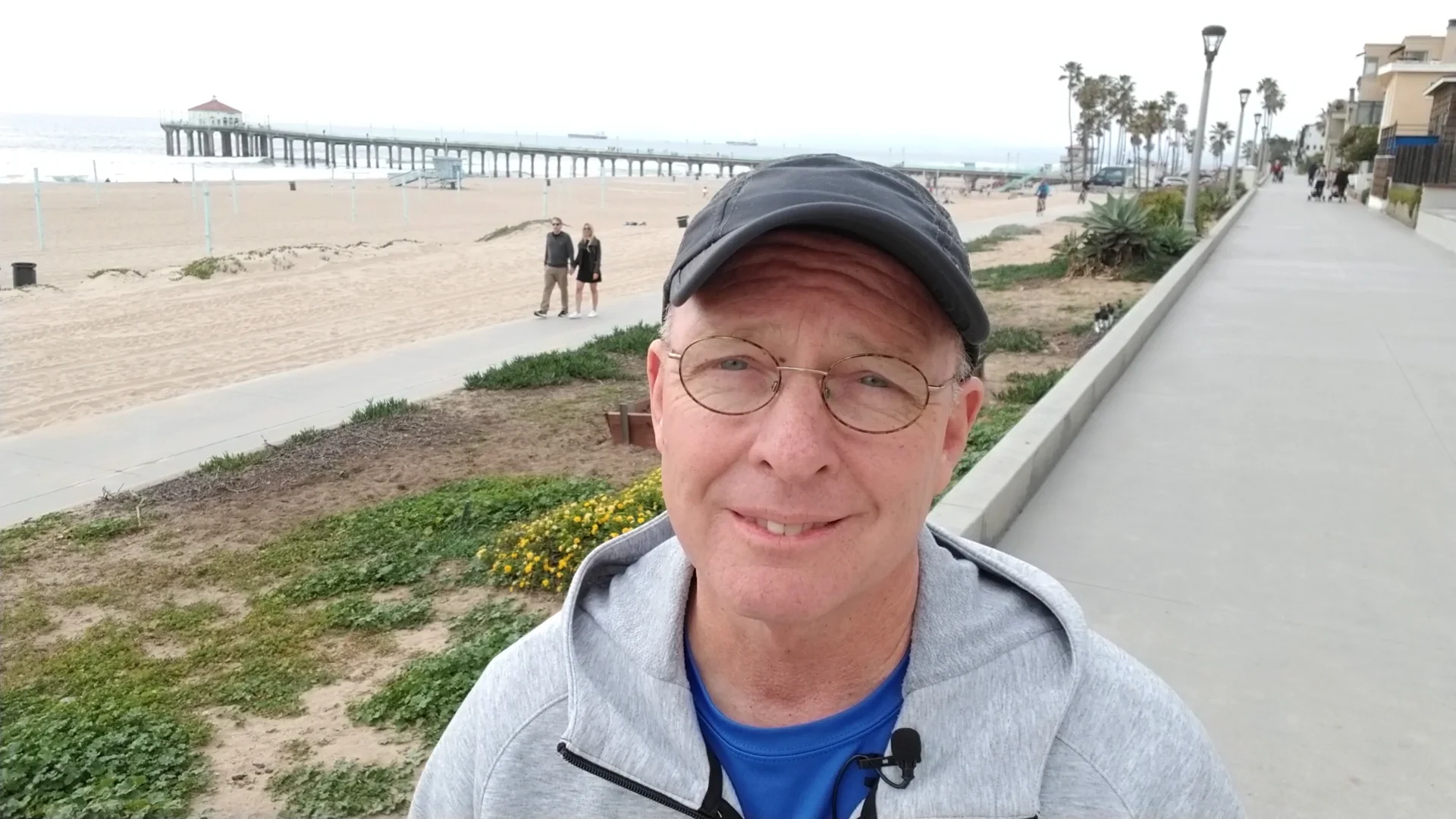
My wife and I live within walking distance of this gorgeous beach. And we frequently stroll down here to see the surf and catch the sunset. But there are two paths we can take. One involves climbing a VERY steep hill and the other doesn’t. Which one do you think we usually choose? Bingo! We don’t even give it a second thought. Even though we’d definitely benefit from the exercise the other trail would provide we select the route that best serves our feet.

I don’t want my Christian WALK to be like that. I want to be more careful about what road I’m on and when making sure to pursue the will of God above my own preferences. How about you?

John 6:67-71 • Believe and Know

The sixth chapter of John’s Gospel concludes with a soaring declaration of faith along with a sobering reminder.

In verse 67, Jesus turned his attention from the many to the few. For most of this chapter, Jesus was focused on the multitude. He had compassionately and skillfully revealed Himself to them and led them to a decision point regarding His Messiahship. But when they reached that point, sadly, most of them chose to remain in their unbelief and walked way.

Then, as the crowd was deserting Him, He turned and confronted the Twelve – the capital “D” Disciples – and asked if they were going to abandon Him as well. Peter’s response was literally one for the ages. He said, “Lord, to whom shall we go? You have the words of eternal life.” And then he said, “We have come to BELIEVE and KNOW that You are the Christ, the Son of the Living God.”

His statements are so powerful! And I’d like to draw your attention to his use of two specific words: believe and know. With them, he articulated the breadth of what it means to have faith in Christ. The word translated as believe is pisteuo, and it describes a belief that chooses to commit. The other word, know, is translated from the word, ginosko, and it refers to a knowledge that is more experiential than intellectual.

The faith Peter described is the result of both a choice and an experience, a decision and a relationship. We can’t have one without the other and we can’t reverse the order. Without choosing to commit, there can’t be an experience. And a decision to believe that doesn’t result in a relationship is incomplete.

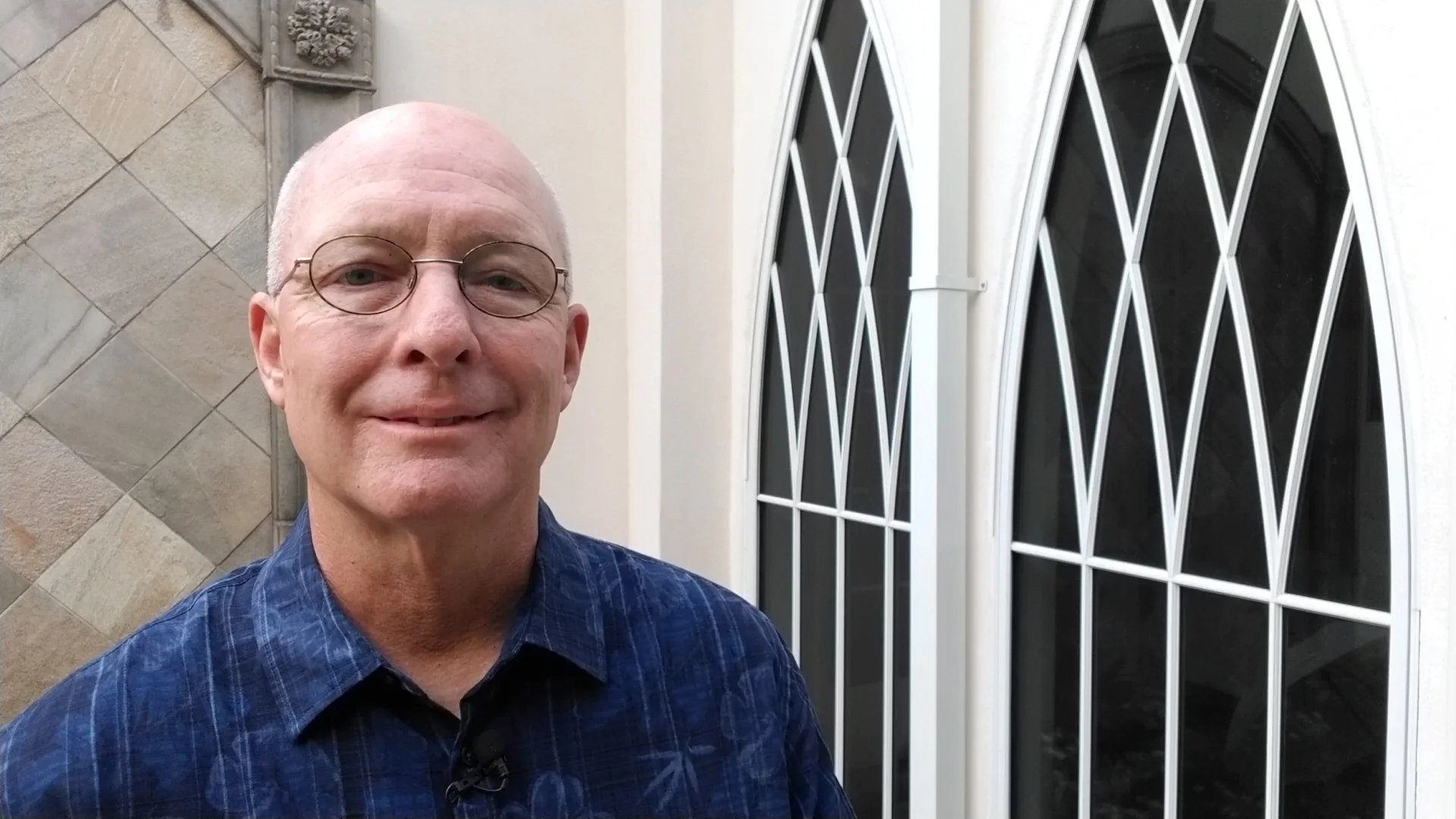
Behind me is a wedding chapel. And it’s a good backdrop for this because true faith is like a marriage. It begins with a choice to commit, but unless that decision results in a relational experience, something’s seriously wrong.

And that’s why on the heels of Peter’s soaring statement that he assumed was true for all of them, Jesus’ next question is a sobering reminder. In a sense He used the question to say, “Peter, the faith you’ve so eloquently defined is not true for all of you.” And we’re told He was referring to Judas, who would eventually betray Him.

Now, it’s not possible to know exactly what was insufficient with Judas’ believing that allowed for his betrayal. But it’s clear that he’d made some kind of commitment to follow Jesus. That’s why he was there that day counted among the Disciples. But my hunch is that something was deficient in his pursuit of an experience with Jesus.

May that not be true of you and me, dear one. As we close this chapter, let’s invite the Holy Spirit to reveal anything about our faith that looks like a commitment without a relationship. Let’s daily choose to pursue the One who has invited us into a belief that results in an experience.